Reviewing the Thank You Teacher SVG for Real Embroidery
As a designer who spends half my life staring at stitch simulations and the other half pulling threads out of botched samples, I approach every new digital embroidery file with a healthy dose of skepticism. We have all been there: you download a cute graphic, load it into your software, and realize the nodes are a mess or the details are too fine for any standard needle to handle. That is why I took a close, practical look at the Thank You Teacher Svg Printable Cut File. This isn’t just about whether it looks pretty on a screen; it is about whether it holds up when you put it on a hoop, hit start, and hand it to a customer.
First Impressions: Mood and Visual Personality
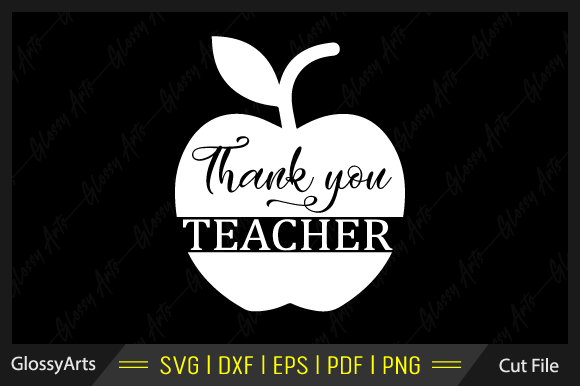
The first thing that strikes me about this design is its clarity. In the world of Crafts and digital assets, clutter is the enemy. A "Thank You" message needs to be legible from across a room, especially when it is stitched onto a tote bag or a sweatshirt. This design achieves that balance. It feels warm and appreciative without being overly sentimental or childish, which makes it versatile. It fits squarely into the category of professional yet personal Graphics.
The layout suggests a thoughtful approach to negative space. For us embroidery designers, negative space is where the fabric breathes. If a design is too dense, the fabric puckers. If it is too sparse, it lacks impact. This SVG appears to have a structure that respects the medium. The lines are clean, suggesting that if converted properly into a machine embroidery design, it would rely on a mix of running stitch outlines for definition and perhaps some light fill stitch work for emphasis, rather than heavy, carpet-like density.
Real-World Application: The Tote Bag Test
Let’s imagine a real scenario. It is May, the end of the school year, and you have a rush order for personalized gifts. You decide to use this design on canvas tote bags. Canvas is a sturdy fabric, but it has a visible weave. Here is where the quality of the source file matters. Because this is a vector-based SVG, you can scale it without losing resolution. However, you must be mindful of the final stitch density.
If you digitize this directly from the SVG, you need to ensure the text elements are thick enough. Thin lines in an SVG often translate to single running stitches in embroidery, which can get lost in the texture of canvas or cotton twill. For a tote bag design, I would recommend expanding the stroke width slightly before digitizing to allow for a satin stitch border or a thicker fill. This ensures the "Thank You" message pops against the natural background of the bag. The result is a handmade product that looks boutique-quality, not like a DIY experiment gone wrong.
Sweatshirts and Custom Apparel
Moving from totes to apparel, let’s talk about sweatshirt embroidery. Fleece and cotton blends are forgiving, but they are also thick. When working with a design like the Thank You Teacher Svg Printable Cut File on a hoodie, placement is key. Center chest is standard, but consider the left chest for a more subtle, professional look.
Because fleece has a pile, small details can disappear. This design’s strength lies in its boldness. It does not rely on microscopic details that will sink into the fabric. Instead, it uses strong shapes that sit on top of the texture. When creating custom apparel for teachers, durability matters. These garments get washed frequently. A well-digitized version of this SVG, using proper underlay stitches, will withstand the laundry cycle better than a complex, fragile design.
Navigating Fabric and Hoop Constraints
No design works everywhere. Part of being a professional Etsy seller or craft business owner is knowing when to say no. Here is where you need to exercise caution with this file.
- Small Hoop Sizes: If you are trying to fit this into a 4x4 inch hoop, you may need to simplify. Check the aspect ratio. If the design is wide, it might not fit vertically in small hoops without scaling down so much that the text becomes illegible.
- Stretchy Fabrics: On jersey knits or baby clothes, stability is an issue. This design should be paired with a cut-away stabilizer to prevent distortion. Do not attempt this on stretchy fabric with only tear-away stabilizer.
- Dark Fabrics: If you are stitching on navy or black, remember that your thread colors need high contrast. The design itself is neutral, so it relies entirely on your thread choice to stand out. Always run a test stitch on scrap fabric of the same color and weight.
- Curved Surfaces: Embroidering this on a cap requires careful hooping. The design should be centered perfectly. Any asymmetry in the SVG will be glaringly obvious on a curved brim.
Commercial Value and Brand Consistency
Why does this specific design matter for your bottom line? In the competitive market of commercial embroidery, consistency builds trust. When a customer buys a personalized gift, they are buying the feeling of thoughtfulness. A clean, professional design signals that you care about quality.
Using a reliable asset like the Thank You Teacher Svg Printable Cut File allows you to create a cohesive collection. You can use the same visual style on aprons, pillow covers, and tea towels. This creates brand recognition. When customers see that specific font style or layout, they associate it with your shop’s quality. It transforms a simple embroidery project into a branded small shop product.
Furthermore, for those selling digital products, this SVG serves as an excellent base for printable mockups. You can show potential buyers how the design looks on various items before they even purchase the digital embroidery file. This reduces hesitation and increases conversion rates.
Practical Designer Notes for Best Results
Before you list this as a finished product or use it in a client order, take these steps. They are the difference between a refund request and a five-star review.
- Check the License: The product description states this is a digital download. Confirm whether the license allows for commercial use of the finished product. Some creators allow you to sell physical items but prohibit reselling the digital file itself. Always clarify this before listing on Etsy.
- Digitize with Care: If this is an SVG for cutting, it is not yet an embroidery file. You must digitize it. Pay attention to corner sharpness. Sharp corners in vectors can cause thread breaks in embroidery. Round them slightly or use tack-down stitches.
- Test Stitch Density: Run a test on similar fabric. If the design feels stiff after stitching, reduce the fill density. If it looks sparse, increase the underlay.
- Contrast Check: View the design in black and white. If the elements blend together, you need to adjust spacing or line weight. This ensures readability regardless of thread color.
- Stabilizer Selection: Match your stabilizer to your fabric. Woven cotton needs tear-away; knits need cut-away; delicate fabrics need water-soluble topping.
Final Verdict
The Thank You Teacher Svg Printable Cut File is a solid addition to your library of design assets. It is not flashy, but it is functional and emotionally resonant. For holiday embroidery seasons, end-of-year gifts, or everyday babys embroidery projects, it offers a reliable foundation. It respects the constraints of the machine while delivering a clear message.
Remember, the file is just the starting point. Your skill in digitizing, hoop selection, and thread management will determine the final quality. Treat this SVG as a blueprint, not a final product. With the right technical execution, it can elevate your embroidered patch collections, apparel lines, and home decor items. It is a tool for creators who understand that simplicity, when executed well, is the highest form of professionalism.